Cloud Visibility Is Not the Same as Cloud Security
Cloud environments never stand still.
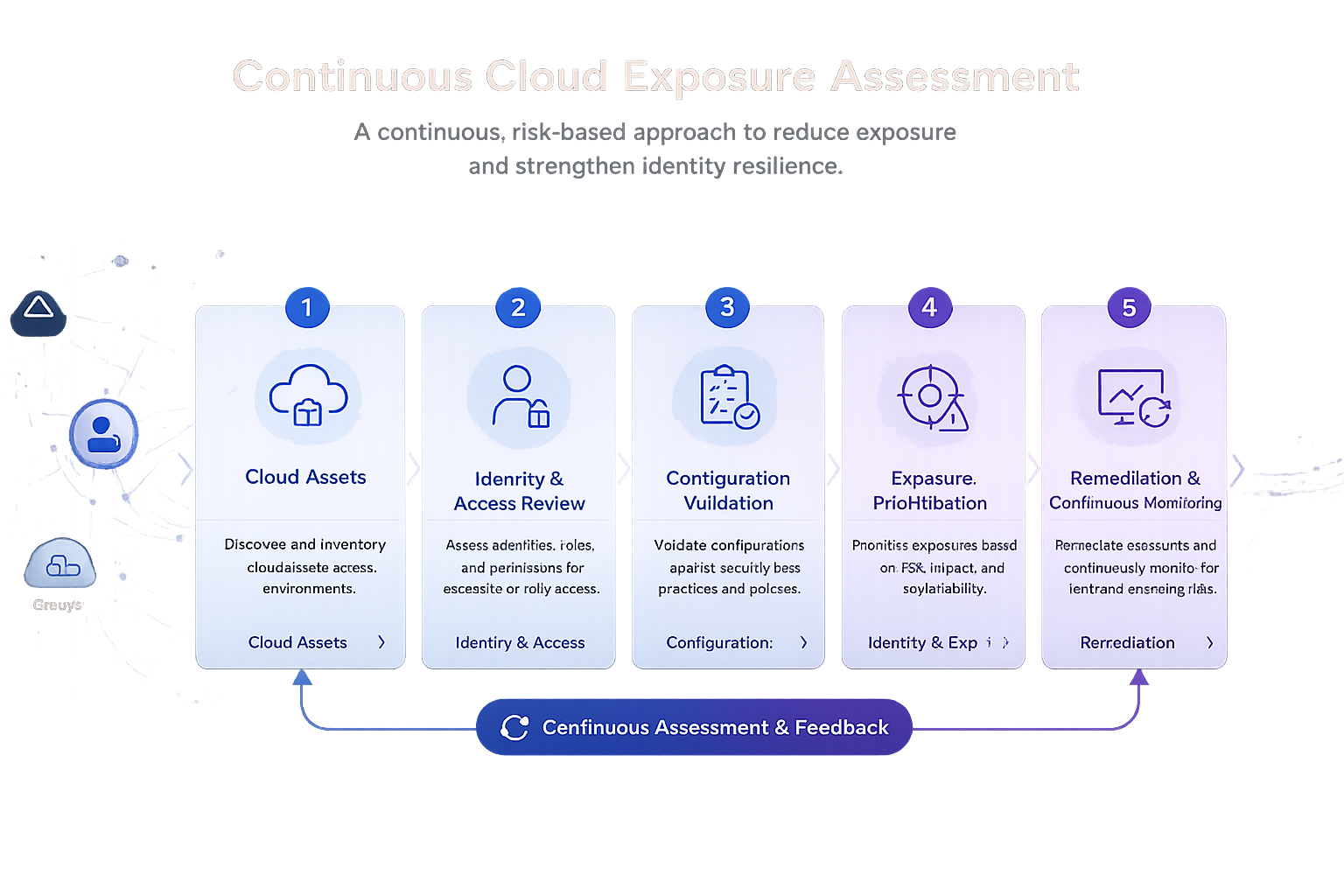
New workloads are deployed, permissions change, applications are integrated, and infrastructure evolves almost daily. While many organisations have tools that provide visibility into their cloud environments, visibility alone doesn’t reduce risk.
A cloud exposure assessment helps organisations determine which exposures are actually exploitable and prioritise the risks that matter most.
Without continuous validation, security teams can easily develop a false sense of confidence.
Why Point-in-Time Assessments Fall Short
Many organisations perform cloud reviews annually or quarterly.
The problem?
Cloud environments change far more frequently than traditional security assessment cycles.
Between reviews, organisations may introduce:
- New cloud workloads
- Excessive IAM permissions
- Publicly exposed services
- Misconfigured storage
- New third-party integrations
- Forgotten development environments
A point-in-time assessment quickly becomes outdated.
Continuous validation provides a far more accurate picture of current exposure.
What a Cloud Exposure Assessment Should Validate
An effective cloud exposure assessment should answer questions such as:
1. Which Assets Are Exposed?
Identify cloud resources that are publicly accessible or unnecessarily exposed.
2. Which Identities Have Excessive Access?
Review users, service accounts, and privileged identities for unnecessary permissions.
As we’ve discussed in our article on identity in cloud security, compromised identities often become the bridge between cloud environments and a successful breach.
3. Which Misconfigurations Create Real Exposure?
Not every configuration issue creates meaningful risk.
The assessment should prioritise exploitable weaknesses over low-impact findings.
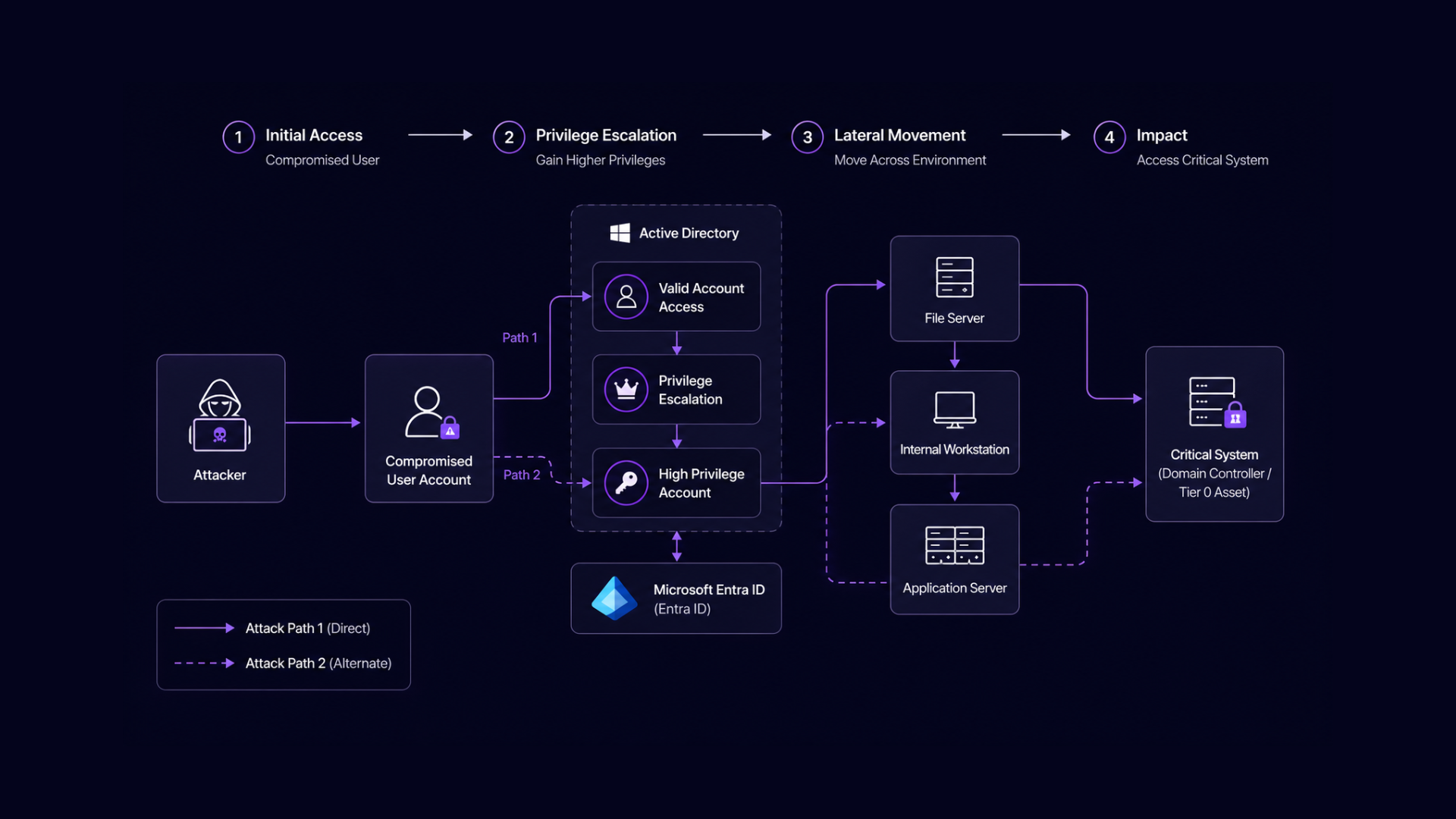
4. Can Attackers Chain Multiple Weaknesses Together?
Many breaches occur because several small issues combine into a larger attack path.
Understanding how exposures connect provides valuable context for remediation.
5. How Has Exposure Changed Over Time?
Cloud security isn’t static.
Continuous validation helps security teams identify new risks as environments evolve.
What CISOs Should Expect
Cloud security reports often generate hundreds or even thousands of findings.
That isn’t always helpful.
Security leaders need clear answers to questions such as:
- What presents the greatest business risk?
- Which exposures are actively exploitable?
- Which issues require immediate remediation?
- How is overall exposure changing?
- Are security improvements reducing risk?
An effective cloud exposure assessment should provide these insights, not just a long list of alerts.
Continuous Validation Supports Better Decisions
Continuous assessment enables organisations to:
- Prioritise remediation
- Reduce cloud attack surface
- Validate security improvements
- Monitor exposure trends
- Support governance and reporting
- Improve overall cyber resilience
Rather than reacting to isolated findings, security teams gain ongoing visibility into meaningful risk.
Turn Cloud Visibility Into Action
Cloud environments evolve continuously, and security programs need to evolve with them.
A cloud exposure assessment provides the visibility, context, and prioritisation needed to understand where your greatest cloud risks exist today.
Instead of relying on periodic reviews, continuous validation helps organisations reduce exposure before attackers have the opportunity to exploit it.
Ready to Understand Your Cloud Exposure?
Knowing that exposures exist is only the first step.
Understanding which ones create real business risk is what enables better security decisions.
CyberDNA’s Cloud Exposure Assessment helps organisations identify exploitable cloud risks, prioritise remediation efforts, and continuously validate their cloud security posture.
Learn more about our Cloud Exposure Assessment or speak with our team to understand your current cloud exposure.