Ask five security leaders what “identity resilience” means and you’ll get five different answers — password policy, MFA rollout, a privileged access project, an Entra ID cleanup. Each one is real, but none of them is the whole picture on its own.
Identity resilience is the broader idea underneath all of it: the ability to understand, reduce, and recover from identity-driven risk on an ongoing basis, rather than treating identity as a collection of separate projects.

Why Identity Has Become the Primary Attack Surface
Firewalls are stronger than they used to be. Endpoint protection is smarter. But identity remains structurally exposed, because identity-driven breach risk doesn’t rely on malware or a novel exploit — it relies on access that already exists. Compromised credentials, excessive privileges, and unmonitored attack paths inside Active Directory and Entra ID give attackers a way in that looks, at first glance, like legitimate use.
That’s what makes identity different from most other categories of risk: the systems are working exactly as configured. The exposure is in the configuration itself.
Where Identity Resilience Breaks Down Today
Three environments show up again and again when identity risk turns into an actual breach.
Active Directory
Active Directory security risks remain the single biggest identity attack surface for most enterprises, largely because AD has existed long enough to accumulate legacy permissions, stale accounts, and misconfigurations that nobody actively decided to create — they simply built up over time.
Microsoft Entra ID
As organisations extend identity into the cloud, Entra ID security gaps introduce a parallel set of exposures. Conditional access policies, app registrations, and guest access are all places where a small oversight can quietly widen the attack surface.
Untested Attack Paths
Even where individual controls look reasonable, identity attack paths — the sequences of valid access and privilege escalation that connect a low-value account to a critical system — are rarely tested end to end. Most security programs check controls in isolation. Attackers don’t; they follow the path.
Measuring Identity Risk Before It Becomes a Breach
Knowing that identity is exposed isn’t the same as knowing how exposed. A breach likelihood assessment turns identity risk into something measurable — mapping identities, testing escalation paths, and scoring the likelihood of a breach based on what an attacker could actually reach, not just what controls are technically in place.
This shift, from “are controls in place?” to “can an attacker reach critical systems using existing identities?”, is what separates a compliance exercise from a real picture of exposure.
Why Recovery Is the Missing Piece
Most identity security investment goes into prevention and detection. Far less goes into what happens after identity is compromised — which is exactly why identity recovery readiness is so often the weakest link in an otherwise reasonable program. Without a tested way to detect compromise, roll back safely, and restore privileged access, a contained incident can turn into a prolonged one.
Resilience, by definition, includes recovery. A program that only prevents and detects is only doing two-thirds of the job.
What a Mature Identity Resilience Program Looks Like
Pulled together, these pieces describe a program that:
- Treats Active Directory and Entra ID as living attack surfaces that need ongoing review, not one-off cleanups
- Tests identity attack paths the way an attacker would, rather than auditing controls individually
- Measures breach likelihood on a recurring basis instead of assuming last year’s assessment still holds
- Builds recovery into the plan from the start, not as an afterthought once something has already gone wrong
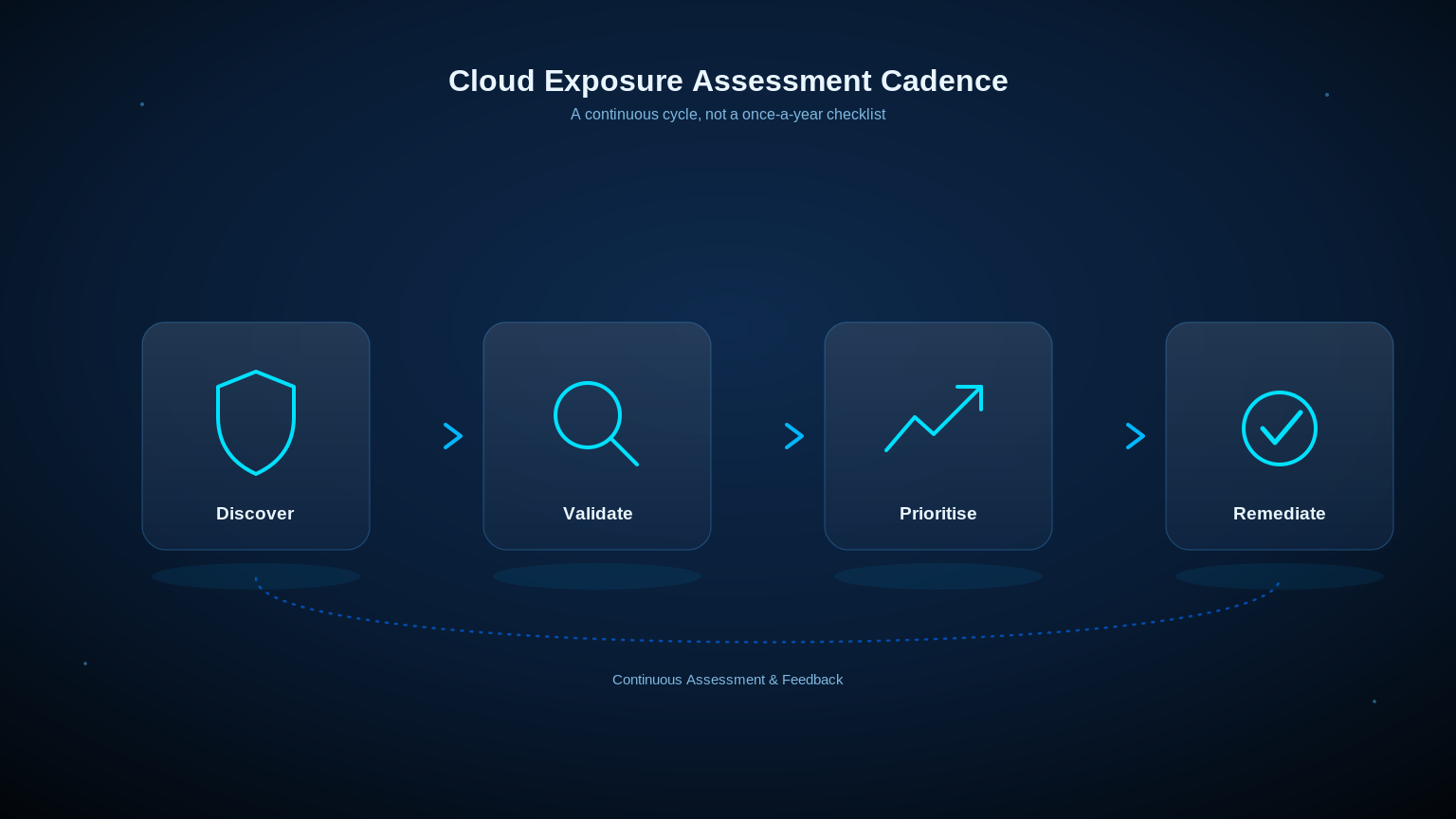
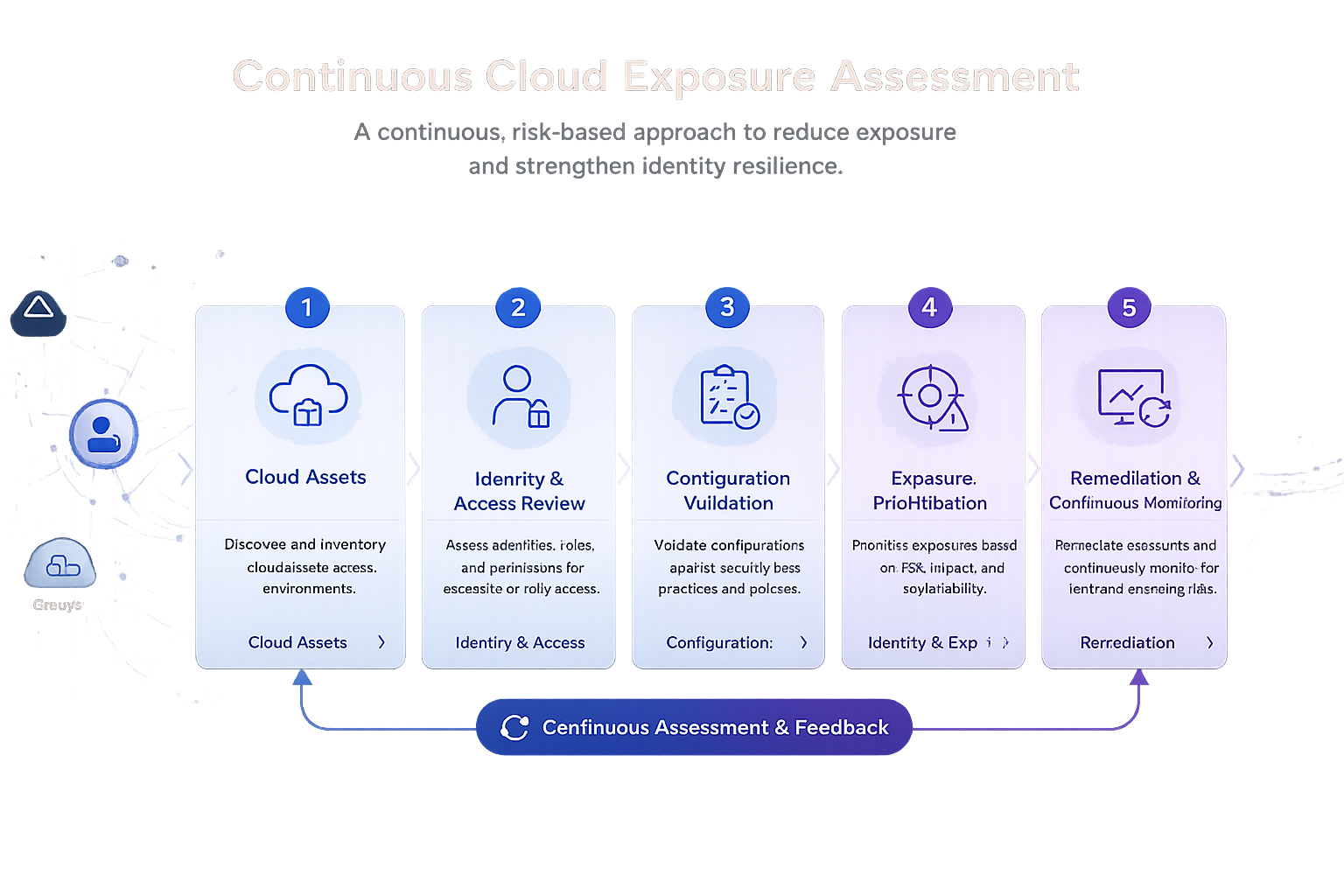
None of these are one-time projects. Identity resilience is a practice, not a milestone.
Building Identity Resilience as an Ongoing Practice
Every piece above is achievable on its own. The organisations that get the most value out of it treat these as one connected program rather than a series of disconnected initiatives — measuring exposure, closing the highest-impact gaps in Active Directory and Entra ID, testing the attack paths that matter, and keeping recovery ready before it’s needed.
That’s the model behind Managed Identity Resilience: a continuously managed approach to identity risk, rather than a point-in-time project.
If you’re working out where your own identity resilience program has the biggest gaps, the breach likelihood assessment above is a reasonable place to start.